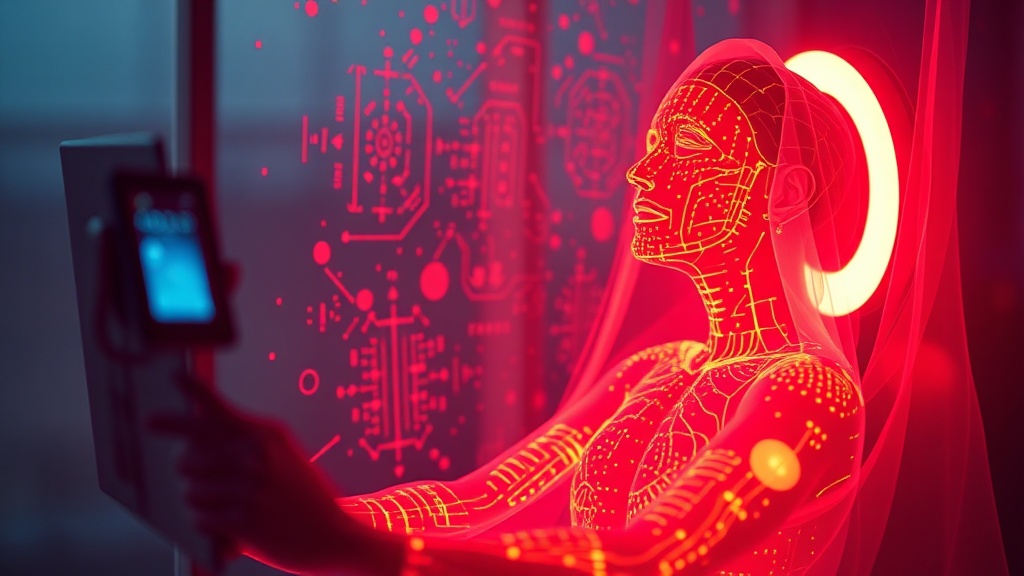
A Soft Way to Release the Day Through Body Scanning

Do you ever lie in bed, staring at the ceiling, feeling like your body is still vibrating with the stress of the day? This guide explains how to use a body scan to release physical tension and transition from a state of high alert to deep rest. We’ll look at the mechanics of the practice, how to handle distractions, and how to adapt it to your specific needs.
Body scanning isn't about forcing your muscles to relax. It's about noticing where they are holding tension—often without you even realizing it. Most of us carry stress in our jaw, our shoulders, or even our hips—and if we don't address it, that tension follows us into our sleep cycles.
What is a Body Scan Meditation?
A body scan meditation is a mindfulness practice where you mentally scan your body from head to toe to observe sensations without judgment. You aren't trying to change anything; you're just checking in. It's a way to bridge the gap between a busy mind and a resting body.
Think of it like a slow-motion walkthrough of your physical self. You might notice a dull ache in your lower back or a slight tightness in your chest. Instead of panicking about these sensations, you simply acknowledge them. This practice is a cornerstone of many Mindfulness-Based Stress Reduction (MBSR) programs used to manage chronic pain and anxiety.
If you're new to this, don't expect a perfect, silent experience. Your mind will wander. That's okay. The goal isn't to empty your mind; it's to notice when it wanders and gently bring your focus back to a specific body part.
For a similar approach to settling your mind, you might enjoy a gentle approach to mental decluttering before bed. It pairs well with the physical focus of a body scan.
The Three Stages of a Body Scan
To get the most out of this, I find it helpful to break it down into three distinct phases. It keeps the practice from feeling aimless.
- The Arrival: Settling into your physical space. This involves adjusting your pillows, perhaps using a weighted blanket like a Gravity Blanket, and finding a position that feels stable.
- The Scan: Moving your attention through different zones of the body.
- The Release: Allowing the tension to "melt" as you breathe into the areas you identified.
How Do I Do a Body Scan for Sleep?
To do a body scan for sleep, lie flat on your back in a comfortable position and slowly direct your attention to different parts of your body, one by one, while breathing deeply. You can do this in total silence or with a guided audio track.
Here is a suggested sequence to follow. You don't need to rush. If you spend five minutes on your feet, that's fine. There is no timer unless you want one.
- The Feet and Calves: Start at your toes. Feel the weight of your feet against the mattress. Notice any tingling or warmth.
- The Knees and Thighs: Move up to the heavy muscles of your legs. If they feel tight, imagine them softening.
- The Pelvis and Hips: This is a common area for tension. Let your hips sink into the bed.
- The Torso: Feel your belly rise and fall. Notice the sensation of your breath against your ribs.
- The Hands and Arms: Relax your fingers. Let your arms feel heavy and limp by your sides.
- The Shoulders and Neck: This is where most of us hold the weight of the world. Consciously drop your shoulders away from your ears.
- The Face and Jaw: Unclench your teeth. Let your tongue rest away from the roof of your mouth.
If you find it hard to focus on just one area, you can use a guided app. Many people find success with the Calm app or Headspace, which offer structured body scans. Even a simple YouTube search for "15-minute body scan" can work if you're traveling or don't want to use a paid subscription.
One thing to watch for: if you notice a sharp pain or a particularly intense sensation, don't dwell on it. Just note it and move to the next area. The goal is relaxation, not an intense medical audit of your joints.
Can a Body Scan Help with Anxiety?
Yes, body scanning can help reduce anxiety by pulling your focus away from racing thoughts and back into the physical present. By grounding yourself in sensation, you interrupt the cycle of "what-if" thinking that often keeps people awake.
Anxiety often manifests as physical symptoms—a tight chest, a knot in the stomach, or shallow breathing. When you scan your body, you're essentially training your nervous system to recognize these signals early. It turns a vague sense of dread into a tangible, manageable sensation.
It's worth noting that for some, focusing on the body can actually trigger more anxiety (this is sometimes called interoceptive sensitivity). If focusing on your heart rate or breathing makes you feel panicky, try a "soft" scan where you focus on external sensations instead, like the texture of your sheets or the temperature of the air in the room.
| Method | Best For | Focus Level |
|---|---|---|
| Guided Audio | Beginners/Distracted Minds | High (External Guide) |
| Silent Self-Guided | Experienced Practitioners | Internalized |
| Breath-Linked Scan | Deep Relaxation | Medium (Breath-driven) |
If you find that even a body scan isn't enough to calm your system, you might need to look at your environment. For example, creating a low-stimulus environment for deep rest can make the physical sensations of the scan much easier to manage.
I've found that using a white noise machine—like a Hatch Restore—can provide a consistent background frequency that makes the silence of a body scan feel less heavy. It provides a "buffer" for your ears while you focus inward.
Sometimes, the most effective way to relax is to change your temperature. If your body feels too "hot" or restless during the scan, try cooling your core for faster sleep onset. A cooler body often signals to the brain that it is time to shut down.
The beauty of the body scan is its flexibility. Some nights you'll feel like you've mastered it and drift off halfway through. Other nights, you'll feel like you've barely moved past your ankles. Both experiences are valid. The practice is the point, not the result.
Don't be afraid to adjust your position. If your neck feels awkward, move it. If your legs are cramping, stretch them slightly before starting the scan. You're working with your body, not against it.
If you find yourself stuck in a loop of negative thoughts about your body (e.g., "Why does my knee always hurt here?"), try to pivot back to the breath. The breath is your constant. It's the one thing that is always happening, regardless of how much tension you feel in your limbs.
Try this tonight. Lie down, get comfortable, and just start at the toes. See where the day's tension is hiding, and let it go, one breath at a time.