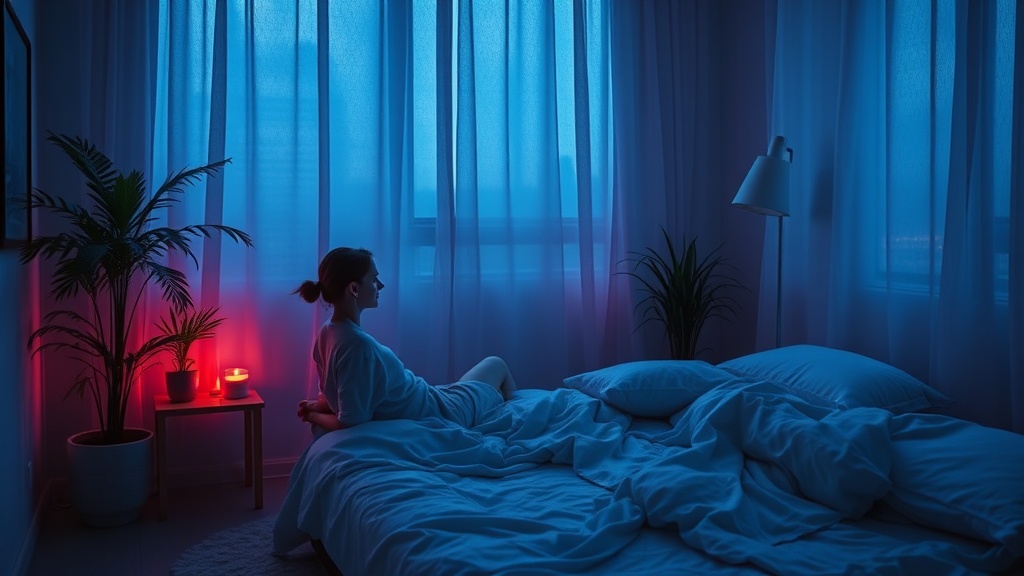
Creating a Low-Stimulus Environment for Deep Rest

Imagine you’ve finally finished a long day, you’ve dimmed the lights, and you’re ready to drift off—only to be jolted awake by the blue light of a standby light on your TV or the low hum of the refrigerator. Your brain is still processing the sensory input of the day, and instead of slipping into sleep, you're fighting against your environment. This post explores how to build a low-stimulus sanctuary by managing light, sound, and temperature to ensure your nervous system can actually settle down.
Most people think sleep issues come from what they do right before bed. That's only half the story. The other half is the physical space you occupy. If your room is a sensory minefield, no amount of meditation will keep you under for the long haul.
How Can I Reduce Sensory Input for Better Sleep?
Reducing sensory input requires a systematic approach to removing visual, auditory, and tactile distractions from your immediate environment. Start by identifying the "hidden" stimuli that your brain tracks even while you sleep.
Visual stimuli are often the biggest culprits. We live in a world of LEDs. Your alarm clock, your air purifier, and even your laptop charger have tiny, glowing lights. While they seem harmless, these small points of light can interfere with your body's natural production of melatonin. Melatonin is the hormone that tells your brain it's time to sleep, and it hates light.
To fix this, try these steps:
- Blackout Curtains: Invest in high-quality blackout curtains like those from Levia or Bali to block streetlights.
- Tape the LEDs: Use small pieces of black electrical tape to cover any blinking lights on electronics.
- Light Dimming: Swap out your bright overhead lights for warm-toned lamps.
The goal isn't total darkness—which can be jarring—but rather a controlled, low-light environment. A dim, amber-hued light is much easier on the eyes than a bright white bulb. If you find your mind racing, you might also benefit from finding quiet through sensory grounding techniques to bring your focus back to your breath rather than the room.
What Is the Ideal Temperature for Deep Sleep?
The ideal sleeping temperature for most adults falls between 60 and 67 degrees Fahrenheit (15 to 19 degrees Celsius). Your body's core temperature needs to drop slightly to initiate sleep, so a room that is too warm will keep you in a state of light, restless sleep.
It's a common mistake to crank the heat up because we feel "cozy." However, a hot room leads to tossing and turning. If you struggle with feeling too cold, don't heat the whole room—focus on localized warmth. For instance, warming your feet can actually help your core temperature drop more effectively by dilating your blood vessels.
Here is a quick breakdown of how different elements affect your thermal comfort:
| Element | Impact on Sleep | Recommendation |
|---|---|---|
| Air Temp | High heat prevents deep sleep stages. | Aim for 65°F (18°C). |
| Bedding | Synthetic fabrics trap heat. | Use linen or cotton. |
| Humidity | Dry air can irritate airways. | Use a humidifier if needed. |
If you're a "hot sleeper," look into specialized bedding. Brands like Brooklinen offer cooling sheets that actually make a difference. It’s not just about the feeling—it’s about physiological regulation.
How Do I Manage Noise Disruptions?
Noise management involves either eliminating external sounds or masking them with a consistent, non-distracting soundscape. A sudden noise—a car horn, a dog barking, or a neighbor's door slamming—triggers a "startle response" in the brain, spiking your cortisol levels even if you don't fully wake up.
There are two main ways to handle this. You can go the "subtraction" route or the "addition" route.
- Subtraction (Passive): Use high-quality earplugs. If you're a side sleeper, look for Loop Quiet earplugs; they are much more comfortable than the foam ones that fall out.
- Addition (Active): Use a white noise machine. A dedicated machine like the LectroFan is often better than a phone app because it produces a continuous, non-looping sound that doesn't have the "glitch" or "gap" that can wake you up.
White noise is great, but some people find "brown noise" (a lower frequency, deeper sound) more soothing. It sounds more like a steady rumble or distant thunder. If you're prone to sudden noises, a white noise machine creates a "sound blanket" that makes those spikes less noticeable. It's a way to create a buffer between you and the world.
If your brain is still buzzing with thoughts despite the quiet, you might try progressive muscle relaxation. This moves the focus from the external noise to your internal physical sensations.
The catch? Most people overcomplicate this. You don't need a $500 smart bed or a high-tech sensory deprivation tank. You just need to audit your current space. Look around your room right now. Is there a light blinking? Is the air stuffy? Is there a hum coming from the corner? Small, intentional changes are usually more effective than massive, expensive overhauls.
Start with one thing. Maybe it's just buying a set of blackout curtains or moving your phone to the kitchen so the blue light isn't staring at you from the nightstand. When you control the stimulus, you control the sleep.
Steps
- 1
Audit Your Light Sources
- 2
Minimize Auditory Disruptions
- 3
Optimize Tactile Comfort
- 4
Establish a Digital-Free Zone