
The 3-Minute Night Reset That Quietly Fixes Your Sleep

Quick Tip
Spend 3 minutes before bed breathing slowly, releasing tension, and narrowing your focus to signal your body it’s time to sleep.
Most people try to fix their sleep by adding more: more supplements, more gadgets, more rules. It rarely sticks. The truth is simpler—and a little uncomfortable: your nights are usually sabotaged in the final 10 minutes before bed.
If your brain is still buzzing, your body slightly tense, and your attention scattered, you don’t drift into sleep—you negotiate with it. And that’s where this one small shift makes a disproportionate difference.
The Tip: Run a 3-Minute Night Reset
Right before you get into bed, spend exactly three minutes doing three things: breathe, release, and narrow your focus.

That’s it. No app. No timer obsession. Just a structured pause that tells your nervous system: we’re done for the day.
Why This Works (And Why Most Advice Doesn’t)
Sleep doesn’t begin when your head hits the pillow. It begins when your nervous system decides it’s safe to power down.
Most people carry low-grade activation into bed—unfinished thoughts, mild anxiety, subtle muscle tension. You might not feel “stressed,” but your system hasn’t fully exited the day.
This 3-minute reset works because it targets three levers at once:
- Physiology — slowing your breath reduces arousal
- Body tension — releasing micro-tightness signals safety
- Attention — narrowing focus prevents mental spirals
Stacked together, they create a clean transition. Not dramatic. Just effective.
Step 1: Breathe (60 seconds)
Sit on the edge of your bed. Inhale through your nose for 4 seconds. Exhale slowly through your mouth for 6–8 seconds. Don’t force it—just lengthen the exhale slightly.

The longer exhale nudges your body toward a parasympathetic state. That’s the “rest and digest” mode you actually need for sleep.
If your mind wanders, fine. Just come back to the next breath. No perfection required.
Step 2: Release (60 seconds)
Now scan your body quickly and deliberately. Jaw. Shoulders. Hands. Stomach. Legs.
Wherever you notice tension, exaggerate it briefly—clench for a second—then let it drop.

This works better than “trying to relax.” Your body understands contrast more than vague instructions.
By the end of this minute, your body should feel heavier, slightly slower, less guarded.
Step 3: Narrow (60 seconds)
Finally, give your mind one simple anchor. Not a to-do list. Not a problem.
Pick something neutral and repetitive:
- Your breath
- A single word ("down" or "calm")
- The feeling of your body sinking into the mattress

The goal isn’t to “clear your mind.” It’s to stop feeding it new stimulation.
When your attention narrows, your thoughts lose momentum. That’s when sleep can take over without resistance.
What Changes After a Week
Here’s what people typically notice after doing this consistently:
- They fall asleep faster without trying
- Fewer “second wind” moments at night
- Less tossing and repositioning
- A subtle but real increase in sleep depth
Nothing dramatic. No overnight transformation. Just fewer friction points between you and sleep.
The Common Mistakes (Avoid These)
1. Turning it into a performance
If you start optimizing, tracking, or judging yourself, you’ve missed the point. This is a transition, not a task.
2. Doing it too early
If you reset and then scroll your phone for 20 minutes, you undo most of the benefit. Do it right before bed.
3. Expecting instant perfection
Some nights will still be messy. That’s normal. This reduces resistance—it doesn’t eliminate variability.
Why This Beats Complex Night Routines
Long routines fail because they rely on motivation at the exact moment you have the least of it.
This works because:
- It’s short enough to be automatic
- It targets the right mechanisms
- It creates a consistent psychological “off switch”
Three minutes is low friction. And low friction is what actually changes behavior.
How to Make It Stick
Don’t rely on willpower. Attach it to something that already happens.
- After you turn off the lights
- After brushing your teeth
- Right before you plug in your phone
Same trigger. Same sequence. Every night.
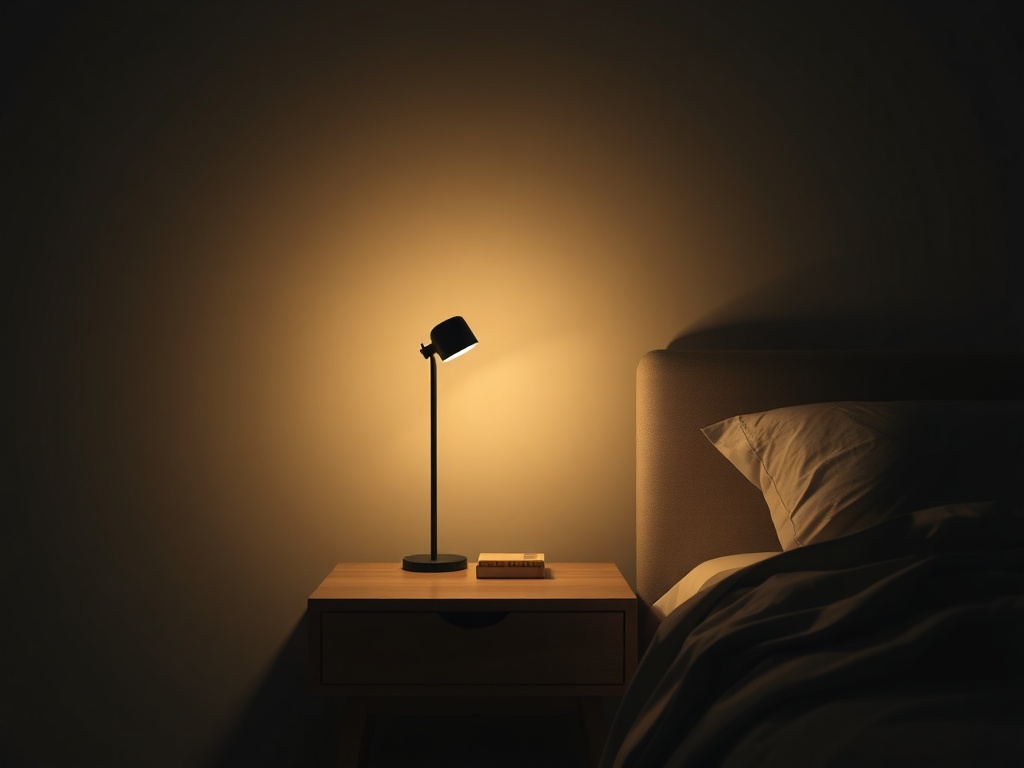
Within a week, your brain starts associating that sequence with sleep. That’s when it becomes effortless.
The Real Point
You don’t need a perfect routine. You need a reliable signal that the day is over.
This 3-minute reset is exactly that. Quiet. Repeatable. Effective.
And once your body trusts that signal, sleep stops feeling like something you chase—and starts happening on its own.