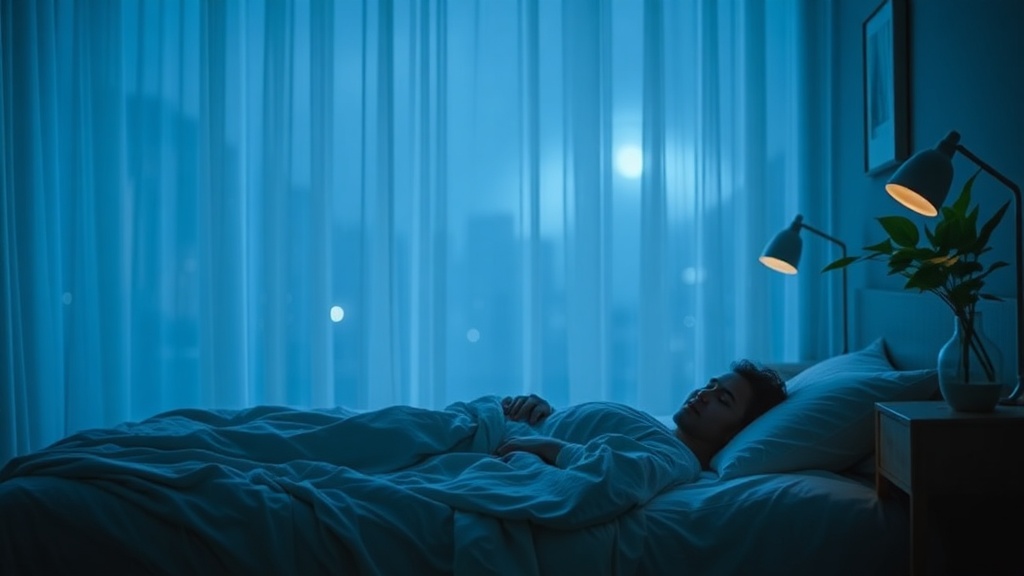
The 10-Minute Evening Ritual for Deeper, Restorative Sleep

Sleep doesn't just happen—it's a process that responds directly to the signals sent in the hour before bed. This guide breaks down a precise 10-minute evening ritual designed to shift the nervous system from alertness into restorative rest. Whether struggling with falling asleep, staying asleep, or waking groggy, these evidence-based steps create the biological conditions for deeper sleep cycles without expensive gadgets or time-consuming routines.
What Is a Sleep Ritual and Why Does It Matter?
A sleep ritual is a consistent sequence of calming activities performed in the same order each night, signaling to the brain that it's time to wind down. The body responds to patterns. When repeated regularly, these cues trigger the parasympathetic nervous system—lowering cortisol, reducing heart rate, and preparing the body for repair.
Here's the thing: most people treat sleep like a switch. They scroll on phones until midnight, then expect to pass out instantly. The brain doesn't work that way. The transition from wakefulness to sleep requires a ramp, not a cliff. Research from the National Sleep Foundation suggests that consistent bedtime routines can reduce sleep onset latency by up to 30 minutes.
The 10-minute format isn't arbitrary. Studies indicate that brief, focused rituals are more sustainable than lengthy routines that get abandoned after a week. Ten minutes fits into even the busiest schedules—and consistency beats intensity every time.
Why Can't I Fall Asleep Even When I'm Tired?
Physical exhaustion and sleep readiness are not the same thing. The body can be drained while the mind remains hyperactive—this is called tired but wired syndrome, and it's increasingly common.
The catch? Modern life bombards the nervous system with stimulation long after sunset. Blue light from screens suppresses melatonin production. Late-night emails spike cortisol. Even "relaxing" activities like watching thrillers or checking social media keep the brain in a heightened state of alert.
Worth noting: caffeine has a half-life of 5-6 hours. That 4 PM coffee might still be circulating at 10 PM, blocking adenosine receptors and preventing the sleep pressure needed to drift off. According to Johns Hopkins Medicine, even moderate caffeine consumption in the afternoon can fragment deep sleep stages.
The solution isn't willpower—it's engineering the environment and body for sleep through specific, repeatable actions.
The Science Behind the 10-Minute Ritual
This protocol combines three mechanisms: light management, temperature regulation, and nervous system downregulation. Each targets a specific barrier to quality sleep.
Light exposure dictates circadian rhythm. Dim, warm lighting in the evening promotes melatonin secretion. Temperature drops of 1-2 degrees signal the body that it's safe to enter sleep (evolutionarily, darkness meant cooler nights). Slow, patterned breathing activates the vagus nerve, shifting from sympathetic "fight or flight" to parasympathetic "rest and digest."
When these three elements align, sleep quality improves measurably. A 2021 study in the Journal of Sleep Research found that participants using similar protocols experienced 23% more time in slow-wave sleep—the restorative phase where tissue repair and memory consolidation occur.
What You'll Need
- A dimmable lamp or candles (battery-operated works)
- Loose, breathable sleepwear (merino wool or bamboo blends)
- Optional: a weighted blanket or compression garment
- A simple timer
Step-by-Step: The 10-Minute Ritual
Perform these steps in order. The sequence matters—each builds on the previous to progressively deepen relaxation.
Minutes 0-2: Light Transition
Turn off overhead lighting. Switch to a Hatch Restore or similar amber lamp, or light candles (safely). The goal is under 50 lux—roughly the brightness of twilight. This single change begins melatonin production within minutes.
Put phones in another room. If using them as alarms, enable Do Not Disturb and flip them screen-down. The blue light isn't the only problem—the mental availability of notifications keeps the brain vigilant.
Minutes 2-5: Physical Release
Change into sleep-specific clothing. This isn't trivial—the brain forms associations. When you put on designated sleepwear (not just an old t-shirt), it becomes a conditioned stimulus for rest.
Perform two simple releases:
- Neck and shoulder rolls: Gently roll shoulders backward ten times. Tilt the head side to side, holding each stretch for three slow breaths. Most people carry daytime tension here without realizing.
- 4-7-8 breathing: Inhale through the nose for four counts, hold for seven, exhale through the mouth for eight. Repeat four cycles. This pattern, popularized by Dr. Andrew Weil, slows heart rate and activates the parasympathetic response.
Minutes 5-8: Mental Offloading
The brain hates loose ends. Before sleep, it attempts to solve incomplete tasks—this is why worries surface at bedtime.
Take a blank notebook (Moleskine, Field Notes, any paper works) and perform a "brain dump." Write down everything on the mind—tasks, worries, ideas. Don't organize it. The act of externalizing thoughts reduces the brain's need to hold them. Studies show this simple practice can cut rumination time by half.
"The mind is for having ideas, not holding them." — David Allen
Minutes 8-10: Body Scan and Stillness
Lie in bed. Close your eyes. Perform a rapid body scan: starting at the toes, notice each body part for two seconds, then consciously relax it. Move upward—feet, calves, thighs, hips, stomach, chest, hands, arms, shoulders, face.
When reaching the face (where tension hides—jaw, brow, tongue), deliberately soften. Most people clench their jaw unconsciously.
Now remain still. Movement signals wakefulness to the brain. Commit to ten minutes of motionlessness, regardless of whether sleep comes immediately. The body will follow the stillness into sleep—usually within minutes.
Comparing Sleep Aids: What Actually Works?
Many products claim to improve sleep. Here's how common options compare against the free, evidence-based ritual above:
| Method | Cost | Evidence Level | Best For | Drawbacks |
|---|---|---|---|---|
| 10-Minute Evening Ritual | Free | High (multiple studies) | Long-term habit formation | Requires consistency |
| Melatonin Supplements | $10-30/month | Moderate | Jet lag, circadian disorders | Can cause grogginess, dependency concerns |
| White Noise Machines (Yogasleep Dohm) | $30-50 | Moderate | Noisy environments | Not effective for everyone |
| Prescription Sleep Medications | Varies | High (short-term) | Acute insomnia | Side effects, tolerance, no restorative sleep |
| Weighted Blankets (Gravity Blanket) | $100-250 | Emerging | Anxiety, sensory issues | Can be too warm, expensive |
The ritual wins on sustainability and cost. It's not that other methods don't work—it's that they address symptoms while ignoring the behavioral and environmental roots of poor sleep.
How Long Before I See Results?
Most people notice easier sleep onset within 3-5 nights. Full benefits—deeper sleep cycles, reduced nighttime awakenings, morning alertness—typically emerge after 2-3 weeks of consistent practice.
The key is every night, not just weeknights. Sleeping in on weekends (social jetlag) disrupts the rhythm the ritual builds. The goal is a stable circadian anchor—same wind-down, same sleep time, same wake time.
That said, perfection isn't required. Missing one night won't reset progress. The brain responds to patterns over time, not single instances.
Troubleshooting Common Issues
If the mind won't quiet: Extend the brain dump phase. Some nights require two pages instead of one. Alternatively, try "cognitive shuffling"—randomly imagine neutral objects (apple, cloud, pencil) without connecting them. This occupies the brain's problem-solving circuits without emotional engagement.
If still awake after 20 minutes: Get up. Lying awake in bed creates an association between the bed and wakefulness (classical conditioning at work). Move to a dimly lit room, read something boring (paperback, not screen), return when sleepy.
If sharing a bed: The ritual can be adapted. Partners can perform breathing exercises together or separately. Earplugs (Loop Quiet or similar) help if one person needs white noise and the other doesn't.
Building the Environment to Match
The ritual works best with environmental support. Ideal bedroom conditions include:
- Temperature: 65-68°F (18-20°C). A Eight Sleep Pod or ChiliPad can help, but a simple fan often suffices.
- Darkness: Blackout curtains or a sleep mask (Manta Sleep is well-reviewed). Even small light sources (charger LEDs, street lamps) can suppress melatonin.
- Sound: Either complete silence or consistent background noise. Intermittent sounds (traffic, snoring) fragment sleep most.
These aren't luxury upgrades—they're sleep architecture investments. A $20 set of blackout curtains often outperforms expensive supplements.
When to Seek Additional Help
The 10-minute ritual addresses behavioral and environmental sleep barriers. It won't resolve underlying medical conditions.
Chronic insomnia (difficulty sleeping at least three nights per week for three months) may indicate conditions requiring professional treatment—sleep apnea, restless leg syndrome, anxiety disorders, or depression. The CDC Sleep and Sleep Disorders page offers resources for finding qualified sleep specialists.
Cognitive Behavioral Therapy for Insomnia (CBT-I) remains the gold standard for persistent sleep issues, with success rates exceeding 70%. The ritual described here incorporates elements of CBT-I (stimulus control, relaxation training) in accessible form.
Start tonight. Ten minutes isn't a big ask—and the return on investment compounds nightly. Better sleep transforms everything: mood, metabolism, immunity, cognition. The ritual isn't another task on the to-do list. It's the foundation that makes everything else possible.